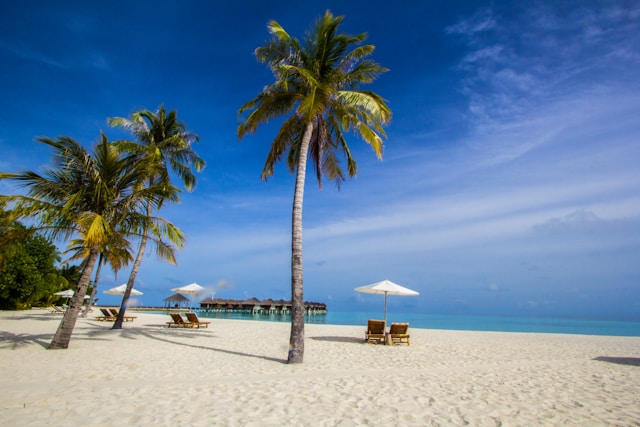

Common Mistakes Travelers Make in Shimla and Manali
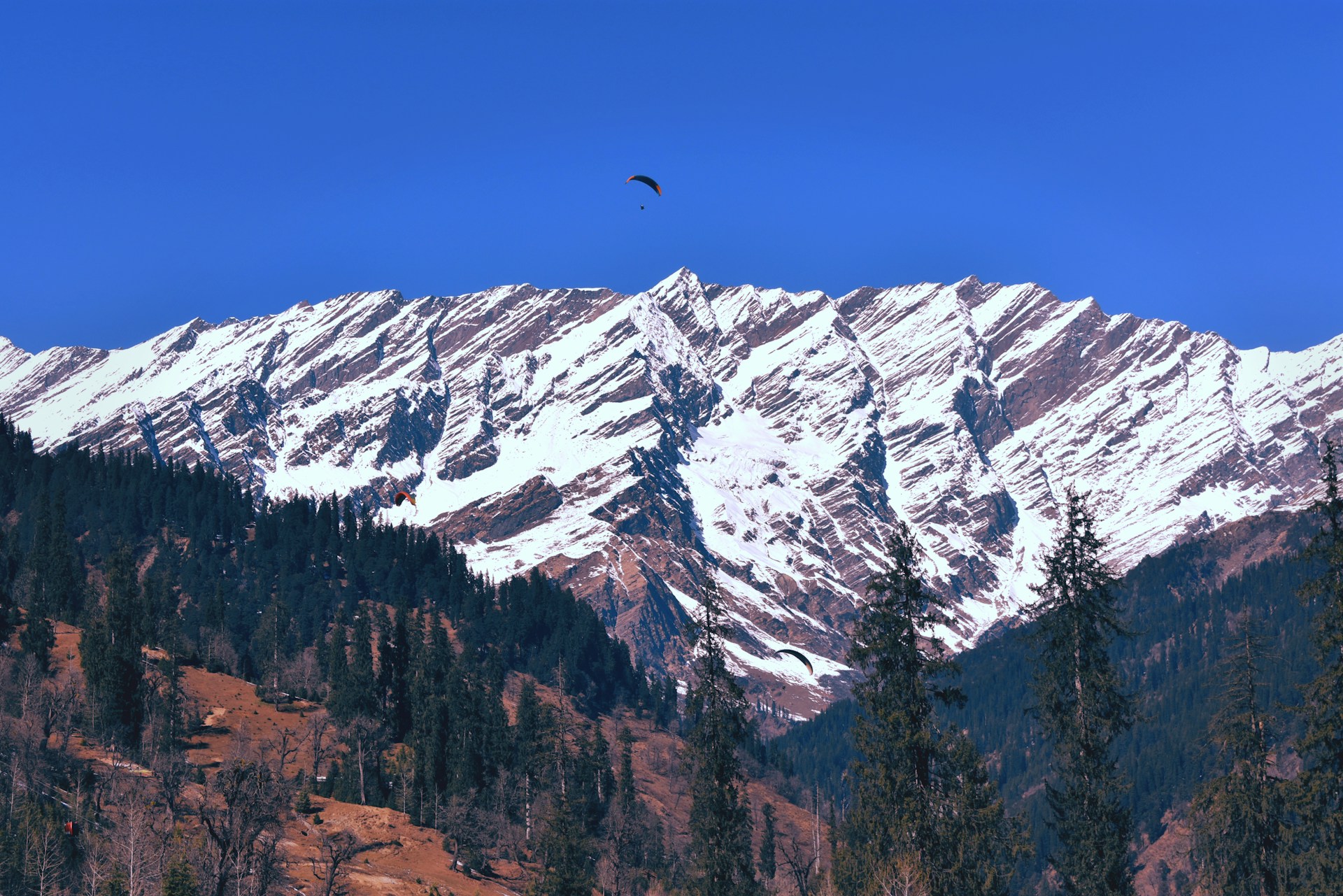
Common Mistakes Travelers Make in Shimla and Manali (And How to Avoid Them)
Shimla and Manali are two of India's most visited hill stations, drawing millions of travelers every year from honeymooners chasing snow to backpackers escaping city heat to families looking for an easy mountain getaway. But that popularity comes with a downside: a well-worn set of mistakes that trip up first-timers year after year, often repeated by word of mouth or copy-pasted itineraries that don't account for the realities of mountain travel. Some of these missteps are minor inconveniences that simply make a trip less enjoyable, while others can genuinely derail it wasted days stuck in transit, overpriced last-minute stays, or missing out on the parts of Himachal that actually make it worth visiting in the first place. Here's a detailed, practical look at the most common mistakes, why they happen, and exactly how to avoid them.
Underestimating Travel Time Between Places
One of the single biggest planning errors is treating Himachal like it's a flat, easily navigable region similar to a road trip on the plains. The roads here are mountainous, winding, and often slow-going, shaped by the terrain rather than straight-line distance. The Shimla-Manali stretch, despite looking deceptively short on a map (roughly 250 km), can take anywhere from 8 to 10 hours by road, sometimes longer during monsoon when landslides or roadwork cause delays, or in winter when snow slows traffic to a crawl on certain stretches. Travelers who don't account for this often build itineraries assuming highway-speed travel, packing in too many destinations for the time they actually have. The result is usually a trip spent mostly in transit, arriving at each stop exhausted, with barely enough daylight left to explore before having to move on again. The fix is to always pad your itinerary generously with extra travel time — treat road journeys in Himachal as a full day's commitment rather than a quick hop, and resist the urge to add "just one more stop" without first checking realistic drive times.
Visiting During Peak Season Without Booking Early
Shimla and Manali see massive crowds during two key windows: summer (April through June, when travelers escape the mainland heat) and the Christmas-New Year period (when snow draws a huge influx of visitors hoping to experience it firsthand). Travelers who arrive during these windows without pre-booked accommodation frequently find themselves paying double or even triple the usual rate, simply because demand has outstripped supply. In the worst cases, especially around New Year's Eve, some travelers struggle to find any room at all on short notice and end up settling for subpar, overpriced options far from where they actually wanted to stay. Beyond accommodation, Mall Road in Shimla and Old Manali's main stretch also get uncomfortably crowded during these periods, with vehicle traffic on the connecting roads sometimes backing up for hours, turning what should be a 20-minute drive into a 2-hour ordeal. Booking hotels well in advance ideally several weeks to a couple of months ahead for peak dates and, for those driving, scouting parking arrangements beforehand, saves both money and a significant amount of stress.
Not Accounting for Altitude and Cold
Many travelers, particularly those visiting from warmer parts of India where cold weather is rarely a factor, significantly underestimate just how cold Himachal gets, especially in higher-altitude areas like Rohtang Pass, Solang Valley, or even Shimla itself once the sun goes down in winter. Showing up without proper layering, thermal wear, gloves, or sturdy waterproof footwear is a frequent and entirely avoidable mistake that leaves travelers cutting outdoor plans short simply because they're too cold to stay out. Beyond just comfort, travelers heading to higher-altitude points like Rohtang Pass sometimes experience mild altitude-related discomfort headaches, breathlessness, or fatigue largely because they didn't pace themselves, stayed up too late the night before ascending, or didn't hydrate adequately. None of this requires elaborate preparation; checking expected temperatures for your specific dates and packing accordingly, along with taking it slow on the day you head to higher altitudes, prevents most of these issues entirely.
Sticking Only to Mall Road and Old Manali
It's remarkably easy to spend an entire trip bouncing between Shimla's Mall Road and Manali's Old Manali cafe strip, since both are convenient, walkable, packed with shops and restaurants, and require zero extra planning. But doing so means missing out on what actually makes the region distinctive places like Kufri's pine forests, Naggar Castle's quiet hilltop views and local history, Jogini Falls' short scenic trek, or the increasingly popular but still relatively quiet villages around Manali like Jibhi and Tirthan Valley. Travelers who venture even slightly beyond the obvious tourist strips tend to come away with a far richer, more memorable sense of the region, rather than a somewhat generic "hill station" experience built around souvenir shops and crowded cafes that could, frankly, have happened in any number of similar towns.
Ignoring Road and Weather Conditions for Rohtang Pass and Higher Routes
Rohtang Pass and other high-altitude routes near Manali are notorious for sudden weather changes, unpredictable road closures, and permit requirements that regularly catch unprepared travelers off guard. It's common for visitors to show up without first checking whether the pass is even open that day it's frequently closed due to fresh snowfall, landslides, or routine maintenance or without the necessary permit, which needs to be arranged in advance through the proper channels rather than assumed to be available on arrival. This combination results in travelers wasting entire mornings standing in long queues, sometimes for hours, only to be turned away at the checkpoint. Checking current road status and permit requirements the evening before, rather than assuming everything will simply work itself out, avoids this frustration entirely and saves a significant chunk of an otherwise limited trip.
Overpacking the Itinerary
A surprisingly common mistake, especially among first-time visitors trying to "see everything," is attempting to cram too many destinations into a short trip Shimla, Manali, Kasol, and Spiti Valley all within five days, for example. Himachal's mountainous road conditions simply don't support that kind of ambitious pace without serious compromises, which usually means rushed, box-ticking visits, missed sunsets because you're still driving, or skipped meals just to make it to the next stop on schedule. A trip built around fewer destinations but with more breathing room between them almost always ends up more enjoyable, more relaxed, and ultimately more memorable than one that tries to squeeze in every name on a checklist.
Not Carrying Enough Cash
While ATMs do exist in both Shimla and Manali, network and connectivity issues are common throughout the region, especially in more remote pockets like Old Manali's outskirts, Solang Valley, or the smaller villages further out from the main towns. Cards aren't always accepted at smaller eateries, local handicraft shops, or by taxi and cab drivers, many of whom prefer cash given the inconsistent network coverage. Travelers who rely solely on digital payments, assuming UPI or cards will work everywhere the way they might in a major city, sometimes find themselves genuinely stuck without a way to pay for something as basic as a meal or a short cab ride. Carrying a reasonable amount of cash, particularly when venturing beyond the main town centers, is a small, easy precaution that prevents real inconvenience.
Skipping Local Food for Familiar Options
With Old Manali's main strip lined with cafes serving Israeli, Italian, and continental food, it's easy almost default, really for travelers to skip Himachali cuisine entirely throughout their stay. This means missing out on dishes like Dham (a traditional, elaborate meal typically served at festive occasions, often vegetarian and cooked in distinctive local style), Siddu (a steamed, stuffed wheat bread usually filled with poppy seeds or local greens), or freshly prepared trout, which the region is locally known for given its mountain streams. Even just one or two meals at a local dhaba or a restaurant specializing in regional Himachali food adds a layer of authenticity to the trip that the cafe-hopping crowd, focused entirely on familiar comfort food, often misses out on entirely.
Driving Without Experience on Mountain Roads
Self-driving to Manali or Shimla is undeniably appealing the freedom to stop wherever you like, set your own pace, and avoid relying on shared transport. But travelers unfamiliar with mountain driving sharp hairpin bends, narrow single-lane stretches, and unpredictable traffic from local buses and trucks barreling around blind corners often find the experience considerably more stressful than enjoyable, especially after dark when visibility drops and road signage becomes harder to read or spot in time. For those without prior hill-driving experience, hiring a local driver familiar with the routes, or opting for shared cabs instead, is often a safer and noticeably more relaxed choice, particularly on demanding routes like Manali to Rohtang or the narrower mountain roads leading toward Kasol.
Not Checking the Season Before Deciding What to Do
Travelers sometimes arrive in Manali expecting snow during months when it simply isn't present, having based their expectations on photos or stories that didn't specify the season, leading to genuine disappointment on arrival. Others plan extensive trekking trips during monsoon, when trails turn slippery, visibility drops due to fog and rain, and certain routes become outright unsafe or are officially closed. Aligning your planned activities with the actual season skiing and snow activities specifically in winter, trekking during summer and the post-monsoon months, apple picking in autumn when orchards around Kullu Valley are at their best makes a significant, often underestimated difference in whether the trip actually delivers the experience travelers came hoping for.
The Bottom Line
Most of these mistakes come down to one root cause: treating Shimla and Manali like an easily rushed, fully predictable destination rather than what they actually are a mountainous region that genuinely rewards patience, realistic pacing, and a bit of advance planning. A little research into road conditions, seasonal timing, permit requirements, and a realistic itinerary that doesn't try to do too much goes a remarkably long way toward avoiding the frustrations that catch so many first-time visitors off guard, and toward actually experiencing what makes this part of Himachal worth the trip in the first place.
Related Stories
More articles you may enjoy
Monsoon Travel in Shimla: Pros, Cons, and What to Expect
Monsoon Travel in Shimla: Pros, Cons, and What to Expect Monsoon is, without question, the...
Top 25 Places to Visit in Andaman
Top 25 Places to Visit in Andaman: The Ultimate Sightseeing Guide Andaman is far more...

Best Beaches in Andaman Islands
Best Beaches in Andaman Islands: A Complete Guide to the Archipelago's Finest Shores Andaman is,...