
Monsoon Travel in Shimla: Pros, Cons, and What to Expect
Monsoon Travel in Shimla: Pros, Cons, and What to Expect
Monsoon is, without question, the most overlooked season for visiting Shimla. Most travelers default to summer for cool weather or winter for snow, leaving the rainy months of roughly July to September largely off the radar, often dismissed outright without much thought. But monsoon travel to Shimla isn't something to write off so quickly — it comes with a distinct, very specific set of trade-offs, and for the right kind of traveler, it can actually be one of the more rewarding and memorable times to visit. Here's a detailed, honest, and fairly comprehensive look at what monsoon travel in Shimla really looks like, so you can decide with confidence whether it fits your trip.
What Monsoon Actually Looks Like in Shimla
Shimla's monsoon season typically runs from late June through September, with July and August seeing the heaviest and most consistent rainfall of the year. Unlike a constant, unrelenting downpour, rain here tends to arrive in spells heavy showers followed by clearer stretches, sometimes within the same single day, occasionally even within just a few hours. Mornings are often relatively dry and pleasant, with clouds gradually building up through the afternoon and rain becoming progressively more likely as evening approaches, though this general pattern isn't guaranteed and can shift considerably depending on the broader monsoon system active that particular year, or even that particular week. Temperatures during this period stay mild and fairly stable, generally ranging between 15°C and 24°C, making Shimla noticeably cooler and more humid than the dry, often oppressive heat of the plains during these same months, which is precisely why it draws a small but loyal segment of travelers each year.
The Pros of Visiting Shimla During Monsoon
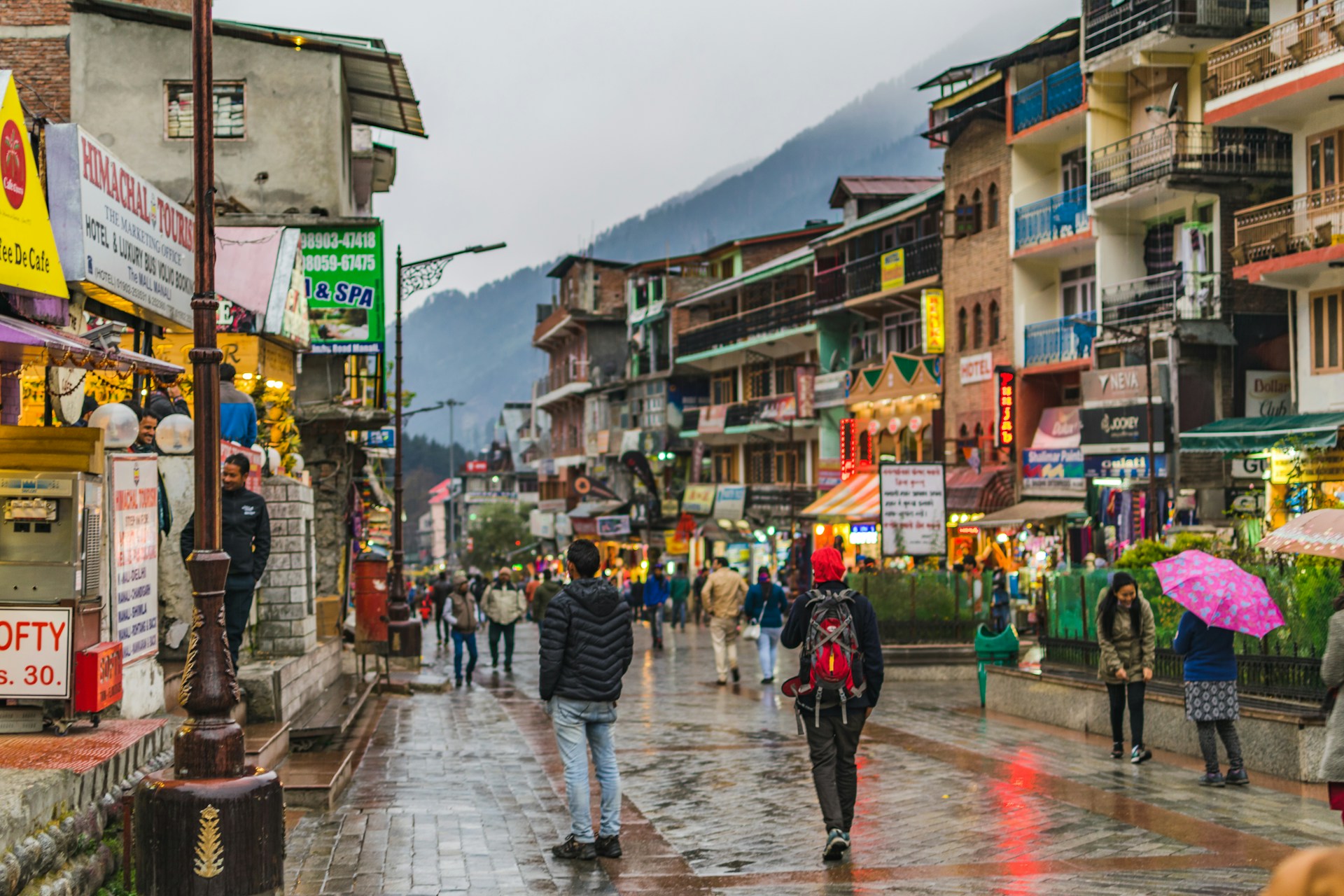
The most immediately obvious advantage is the dramatic, almost startling drop in tourist crowds compared to peak season. Shimla's Mall Road, usually packed shoulder-to-shoulder with travelers during summer and the winter holiday rush, becomes noticeably calmer and more walkable, and popular spots like Jakhoo Temple or The Ridge are far easier to enjoy at a leisurely pace without constantly weaving through dense crowds or queuing for photo spots. This drop in footfall also translates directly into lower prices across the board hotels routinely drop their rates during monsoon, sometimes by as much as 30-40% compared to peak season pricing, making this one of the most genuinely budget-friendly windows of the entire year to visit Shimla.
Beyond these practical perks, monsoon fundamentally transforms the landscape itself in a way that's hard to replicate during any other season. The hills around Shimla turn a deep, saturated, almost impossibly vivid green, waterfalls in the surrounding region swell considerably with extra volume and force, and the overall scenery takes on a lush, dramatic, almost cinematic quality that's genuinely different from the relatively dry, dusty, sun-bleached look of late spring or early summer. For photographers in particular, the combination of low-hanging mist rolling slowly through pine forests, dramatic, heavy, cloud-laden skies, and that signature deep green backdrop offers a completely different visual character than the clear-blue-sky, postcard-style shots most travelers typically come back with from other seasons.
The cooler, more consistent temperatures are also a genuine draw for travelers specifically trying to escape extreme heat elsewhere in India, since monsoon in Shimla still stays comfortably mild and breathable even as the plains swelter through peak summer humidity and soaring temperatures during these same months.
The Cons of Visiting Shimla During Monsoon
The most significant downside, by far, is unpredictability. Rain can disrupt even well-laid plans with very little advance warning, and outdoor activities hiking, sightseeing at open-air viewpoints, or day trips to nearby spots like Kufri or Naldehra sometimes have to be rearranged on short notice, postponed, or cut short entirely once weather turns. Landslides represent a genuine, non-trivial risk on certain stretches of road during particularly heavy monsoon spells, occasionally causing meaningful delays or even temporary closures on routes connecting Shimla to other parts of Himachal Pradesh, so travelers with tight, multi-destination itineraries should factor in generous buffer time rather than assuming smooth, uninterrupted travel between stops.
Visibility is another important factor worth seriously considering before committing to a monsoon trip. Heavy cloud cover and persistent mist, while undeniably atmospheric and photogenic in their own right, can also completely obscure the very views Shimla is best known for clear, sweeping mountain vistas from points like Jakhoo Hill aren't guaranteed by any means, and there's a real, fairly significant chance you'll end up catching a foggy, low-visibility version of a viewpoint that's normally one of the trip's clear highlights. Humidity levels also rise noticeably during this period, which can make extended walking or outdoor exploration feel considerably more tiring and draining than during the drier, more comfortable months, and persistent dampness in the air can be a genuine, ongoing annoyance for travelers who haven't packed proper rain gear in advance.
Finally, certain experiences that depend heavily on dry trails or consistently clear skies extended treks, for instance become noticeably riskier during monsoon, and are sometimes outright avoided or actively discouraged by local guides and tour operators during the heaviest rain spells of the season, which naturally narrows the overall range of activities realistically available to travelers compared to the broader options open during summer or winter.
What to Pack and Prepare For
A good quality waterproof or at minimum water-resistant jacket is essential for any monsoon trip to Shimla, along with sturdy, grippy footwear with proper tread, since the cobbled and stone pathways around Mall Road and The Ridge can get genuinely slippery and even somewhat hazardous when wet. A compact, easily packable umbrella is worth carrying as a reliable backup, along with dedicated waterproof covers or sealed bags for electronics, cameras, and other valuables that don't handle moisture well. It's also worth deliberately packing slightly warmer layers than you might initially expect for what's technically a "summer monsoon" season, since cooler temperatures combined with steady rain and intermittent wind can feel noticeably chillier in practice than the actual thermometer reading might suggest on paper.
For those planning to drive, checking road and weather advisories carefully before setting out each day becomes an important daily habit during monsoon, particularly for routes extending beyond Shimla itself toward other parts of Himachal. Building genuine flexibility into the itinerary from the outset treating outdoor plans as adjustable and somewhat fluid rather than rigidly fixed goes a long way toward avoiding real frustration if a planned activity unexpectedly needs to be postponed, rescheduled, or swapped out for an indoor alternative at short notice.
Who Should Consider a Monsoon Trip to Shimla
Monsoon travel particularly suits budget-conscious travelers who don't mind a reasonable degree of unpredictability in exchange for meaningfully lower costs and noticeably thinner crowds throughout their stay. It also strongly appeals to photographers and travelers specifically chasing that lush, misty, dramatic aesthetic that only this particular season can reliably deliver, as well as those simply looking for a quieter, slower-paced, more laid-back version of Shimla without the bustling energy, noise, and congestion that defines peak season. On the other hand, travelers who specifically prioritize guaranteed clear views, completely uninterrupted outdoor activities, or a tightly scheduled, multi-destination itinerary with little room for adjustment may understandably find monsoon's inherent unpredictability more of a genuine hassle than it's ultimately worth for their particular trip goals.
The Bottom Line
Monsoon in Shimla isn't the universally "wrong" or undesirable season it's often casually made out to be in most travel advice it's simply, fundamentally, a different kind of trip altogether, with its own distinct character and rewards. Lower costs, meaningfully fewer crowds, and a dramatically transformed, greener landscape come bundled together with the genuine trade-off of less predictable weather patterns and occasional, sometimes unavoidable travel disruptions. For travelers who go in with realistic, well-calibrated expectations and a genuinely flexible itinerary built around adaptability rather than rigid planning, monsoon can offer a quieter, more atmospheric, and arguably more authentic side of Shimla that the dense peak-season crowds rarely get the chance to properly experience for themselves.
Related Stories
More articles you may enjoy
Common Mistakes Travelers Make in Shimla and Manali
Common Mistakes Travelers Make in Shimla and Manali (And How to Avoid Them) Shimla and...
Top 25 Places to Visit in Andaman
Top 25 Places to Visit in Andaman: The Ultimate Sightseeing Guide Andaman is far more...
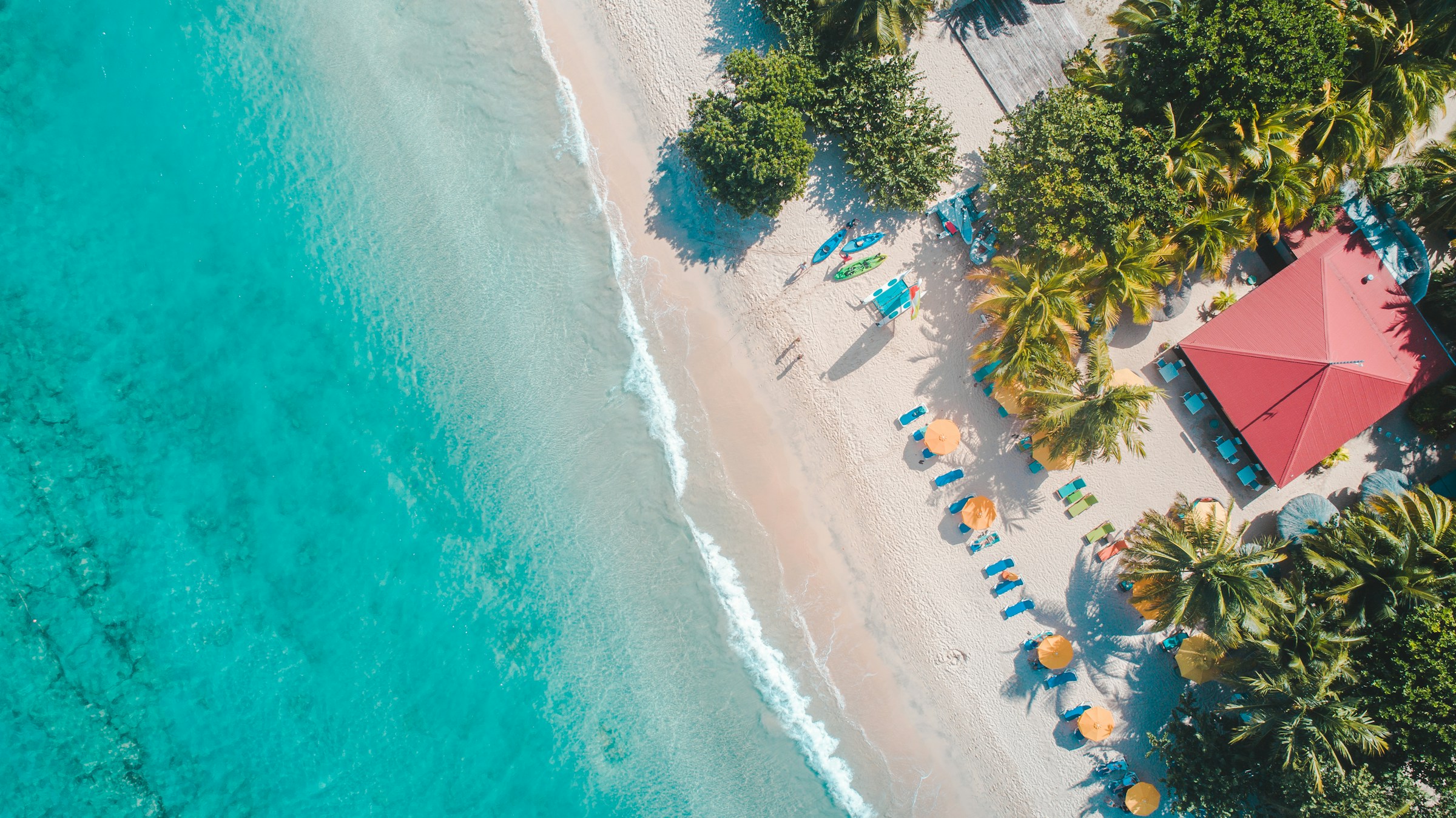
Best Beaches in Andaman Islands
Best Beaches in Andaman Islands: A Complete Guide to the Archipelago's Finest Shores Andaman is,...